 There are plenty of jobs that a homeowner can take on his or herself. If you want to refresh your space with a new paint job, change a light bulb or assemble some furniture we say go for it. Then there are other jobs that are better left up a professional, such as installing gas lines.
Maybe you are in the midst of building a brand new house here in Central Texas or perhaps you are just adding some additional propane appliances to the home that you’ve lived in for years. Either way, leaving your gas line installation to one of the skilled and experienced technicians here at Heart of Texas Propane is the way to go. Gas line installation involves following local building codes and safety protocols – information that your average homeowner is simply not aware of.
Leaving gas line installation up to a professional service such as Heart of Texas Propane is truly the best way to ensure your safety and that all your propane-powered appliances and pieces of equipment are working effectively and at peak performance level.
Here is a snapshot of what the typical process is when it comes to installing gas lines at your home:
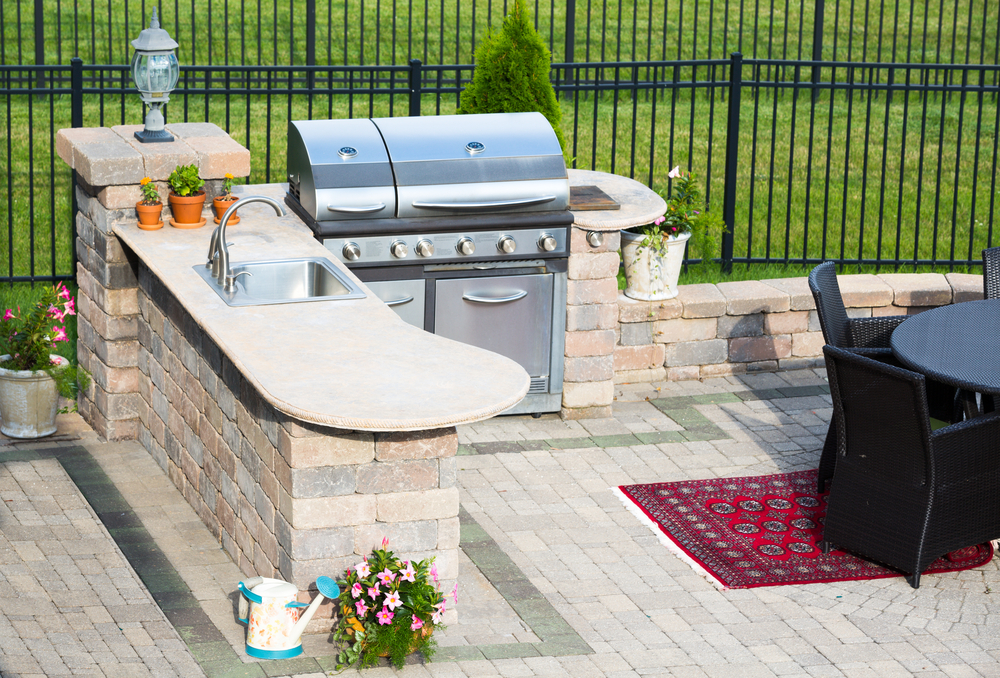
If you are looking to take your outdoor living space to the next level, installing a propane gas line can certainly help. You will be able to grill without having to worry about a propane cylinder running out of fuel and the cylinder refill process. Installing a gas line also gives you the ability to power a whole outdoor kitchen as well as a fire pit.
If you are looking to install gas lines at your home here in Central Texas, the highly trained and experienced experts here at Heart of Texas Propane can help. In addition to safety-focused installation, we offer transparently priced gas connection services with no hidden charges. When you leave your gas line installation to us, you can trust that your propane systems have the appropriate piping materials, regulators and connections.
Contact your local Heart of Texas Propane office today to get started with the gas line installation process.
 Heart of Texas Propane delivers clean and efficient commercial propane to countless businesses throughout the Central Texas area. We serve construction sites, golf courses, farms, food trucks, restaurants, summer camps, hotels, churches, crematories, RV parks, commercial hunting ranches and communication tower sites, to name a few. All of these different businesses and industries are making commercial propane their fuel of choice for good reason. The alternative energy source provides a long list of benefits to anyone who uses it.
Let’s dive into exactly what those benefits are and take a look at exactly how the fuel can be used.
Propane has quite the wide variety of commercial applications and can be used in different ways throughout multiple different industries. If you are a business owner who is looking for one fuel that can tackle many jobs, you should certainly consider commercial propane.
Commercial propane can:
Using propane can shorten the time is takes for an appliance to get its job done. For example, a propane-powered heating system heats up a room at a faster speed than it would if it was powered by a different energy source. This efficiency equates to a nice cost savings on energy bills. On top of that, you are conserving both energy and fuel by using propane, which also helps reduce costs.
Appliances that are powered with commercial propane do not need the electric grid or power to work and operate. Therefore, they will work even if you find yourself in the middle of a blackout. This makes them consistently reliable.
Commercial propane produces a low level of non-toxic emissions, which makes it better and safer for indoor use. Therefore, businesses that use forklifts, scissor lifts, welding equipment and torches can rest assured that they are making a smart choice by using commercial propane.
No matter what type of business you are running here in Central Texas, Heart of Texas Propane can get you the commercial propane you need when you need it. We offer the most dependable bulk propane delivery service in the region and fuel deliveries can be customized based on your specific needs. We can also install and restore propane tanks on your worksite.
Contact your local Heart of Texas Propane office to join our family of commercial propane customers today.
 A propane cylinder (otherwise referred to as a grill tank) can be used to power forklifts, fire pits, outdoor fireplaces and patio heaters. They are also a great way to provide heat, gas and power to a RV. Using a grill tank is also the go to method for tons of people who like to get outside and grill over the spring and summer here in Central Texas. In fact, there are some pretty significant benefits that come along with using a propane gas grill that you simply don’t get with the available alternatives.
Grilling with propane is a great way to get a meal on a table quickly. Since they are ready to be used almost instantly after the simple turn of a knob, this helps reduce your overall cooking time. This is not the case with charcoal grills that need time to heat up before they are ready to be grilled on.
Part of the reason why so many professional chefs choose to power their grills and cooking ranges with propane is because it delivers precise and consistent temperature control. This means whatever it is that you are making will come out perfectly seared.
Generally speaking, the price of propane is more stable and less volatile than many of these alternatives. Additionally, propane grills cost about 50% less than electrical cooking appliances do.
Using a charcoal grill produces a lot of soot and ash, which equates to an extensive clean-up process when you’re done using them. You completely eliminate this by using a propane grill. Most propane grills just need a quick wipe down following a grill session and then they are good go.
You can count on your propane grill working even if there is a blackout since they don’t rely on electricity or power grids. This means no one will go hungry, even in less than ideal circumstances.
Grills that are powered with natural gas need to be connected to a permanent gas line. Depending on the exact set-up of your home, this can limit where you are able to put your grill. Since a propane grill uses its own grill tank you can put it anywhere within your outdoor living space that is safe.
Clearly, using propane to power a grill adds a certain level of convenience and makes the grilling process easier overall.
Heart of Texas Propane makes having a full propane cylinder easy for our customers. We have multiple locations throughout Central Texas where customers can come during normal business hours to fill up their grill tanks at an affordable price.
Not only can we refill your propane cylinder for you, but we’ll also inspect it to ensure that it is not past its expiration date. If your tank happens to be defected we can get you all set up with a new one.
Find your nearest Heart of Texas Propane location to get your propane cylinder refilled today.
 The idea of saving money is appealing to many of us. The good news is that doing so doesn’t necessarily have to involve cutting back on what you’re spending on groceries, clipping coupons or getting rid of your cable. In fact, you can actually save money by making an appliance that you have around your home or business a propane appliance. Yes, it is really that easy!
Converting over to propane is an effective way to reduce your energy and utility bills. Even though you’ll be paying less after switching over to propane, your appliances will operate at peak performance level. This means you’ll be able to cook, heat your home and warm your pool efficiently.
Let’s take a look at how propane can help save you money and why you should make Heart of Texas Propane your propane provider.
Propane-powered appliances are intentionally designed to work more efficiently and effectively than their electric counterparts. And they deliver. For example, a heating system that is powered with propane can heat up a room in a shorter amount of time compared to an electric system heating. A propane-powered clothes dryer can dry clothes at a faster speed than an electric counterpart.
The fact that propane appliances are so efficient allows them to use less energy and resources. This, in turn, reduces a homeowner’s utility costs. Homeowners are actually able to cut their energy bills down by about 40-60% by making the switch to propane from electricity.
When you compare propane to electricity on a per-BTU (British Thermal Unit) basis, propane is typically the cheaper energy source.
On top of that, propane’s market price is usually more stable and affordable than electricity’s.
Propane is a fuel that is known for its versatility. It can be used for forklifts, grills, indoor cooking ranges, water heaters, non-wood burning fireplaces, backup generators and space heaters (just to name a few!). Homeowners who use propane are getting so much value from one single energy source.
It is not uncommon to find that a propane appliance needs less maintenance and fewer repairs than an electric or natural gas version would. When you are not paying for frequent repairs and maintenance you are saving money!
As we mentioned earlier, propane is incredibly versatile. Almost any appliance that can be powered with electricity can be converted into a propane appliance. This includes grills, non-wood burning fireplaces, fire pits, generators, clothes dryers, space heaters, patio heaters, outdoor lights and indoor cooking ranges.
Whether you have one single propane appliance in your home here in Central Texas or multiple propane-powered appliances, Heart of Texas Propane can get you the fuel you need when you need it. Our fuel is fairly priced and you can count on our team to show up when we say we will.
Heart of Texas Propane serves Kerrville, Spicewood, Dripping Springs, Lampasas, Llano, San Sabo and surrounding communities.
Contact us today to find a local office and learn more about the propane services we offer.
 Homeowners here in Central Texas and nationwide are taking some major steps to make their homes more eco-friendly, reduce their carbon footprints and be more “green”. However, the fact of the matter is that making the simple switch over to propane can accomplish exactly this.
Propane is considered a clean, efficient and eco-friendly energy source that has quite a few environmental benefits.
Heart of Texas Propane can help you take advantage of everything propane has to offer. The propane services that we provide make it easy for homeowners to be more environmentally conscious.
Continue reading to find out more about what makes using propane an environmentally smart choice and how the fuel lends a helping hand to the environment.
Here are some facts that help explain why propane is considered a green and clean energy source:
Based on all the above, it is easy to understand why propane is listed as an alternative fuel in the 1990 Clean Air Act and the Energy Policy Act of 1992.
Clearly, propane has some serious environmental advantages. However, renewable propane is able to reduce carbon emissions even further. Renewable propane is made from sustainable feedstock such as natural fats, vegetable oils and different kinds of grease.
Renewable propane’s availability is growing and its wide accessibility will help the propane industry reduce emissions even more.
Being environmentally friendly is far from the only advantage propane offers. Additionally, propane appliances are incredibly efficient, safe and reliable.
If you are ready to take advantage of all the benefits that propane provides, Heart of Texas Propane can help. We are available for propane deliveries, tank installations and tank servicing throughout Central Texas and the Hill Country. We have local teams serving Kerrville, Spicewood, Llano, Dripping Springs, Lampasas, San Saba, Brady, Mason, Ingram, Goldthwaite, Hunt and beyond.
Find your nearest location and contact Heart of Texas Propane to become a customer today.
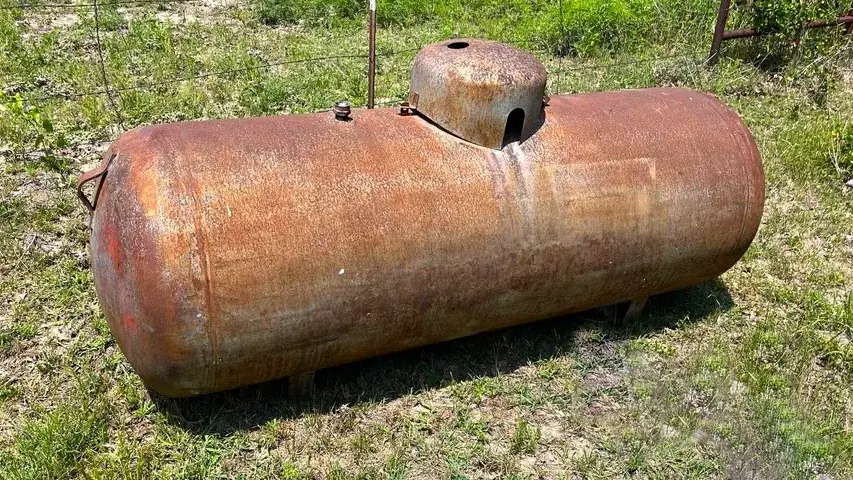 Propane is a popular fuel source for homes in Texas, especially during the fall and winter months when the temperatures start to drop. However, propane tanks can be susceptible to damage from the elements, such as rust, corrosion, and fading. This can not only make your tank look unsightly, but it can also lead to safety hazards.
That’s why it’s important to regularly restore the finish and hardware on your propane tank. This will help to protect your tank from the elements and keep it looking its best. In this blog post, we’ll discuss the importance of restoring your propane tank finish and hardware, as well as how to do it yourself.
There are several reasons why it’s important to restore your propane tank finish and hardware. First, a well-maintained tank will be more resistant to rust and corrosion. This is especially important in Texas, where the climate is hot and humid. Rust and corrosion can weaken the tank’s structure, which could lead to leaks or even explosions.
Second, a restored tank will look better. A faded or rusty tank can make your home look unsightly. By restoring the finish, you can improve the overall appearance of your property.
Third, a restored tank will be easier to maintain. A well-maintained tank will be easier to clean and inspect. This is important because it helps to ensure that the tank is in good working order and that there are no leaks.
 There are a few different ways to restore your propane tank finish and hardware. One option is to hire a professional to do it for you. However, if you’re feeling adventurous, you can also do it yourself.
If you’re going to do it yourself, you’ll need a few supplies. You’ll need a wire brush, sandpaper, a rust converter, a primer, and a paint. You may also want to wear gloves and safety glasses to protect yourself from the chemicals.
To start, you’ll need to clean the tank thoroughly. Use the wire brush to remove any loose rust or dirt. Then, sand the tank with sandpaper to create a smooth surface.
Once the tank is clean and sanded, you’ll need to apply a rust converter. This will help to prevent the rust from coming back. Follow the instructions on the rust converter label to apply it properly.
After the rust converter has dried, you’ll need to apply a primer. The primer will help the paint to adhere to the tank. Again, follow the instructions on the primer label to apply it properly.
Once the primer has dried, you can apply the paint. Choose a paint that is specifically designed for propane tanks. Apply the paint in thin coats, allowing each coat to dry completely before applying the next one.
Once the paint has dried, you’re finished! Your propane tank will now be looking its best and will be better protected from the elements.
Restoring your propane tank finish and hardware is an important task that should be done regularly. By following the tips in this blog post, you can keep your tank looking its best and protect it from the elements. This will help to ensure that your tank is safe and reliable for years to come.
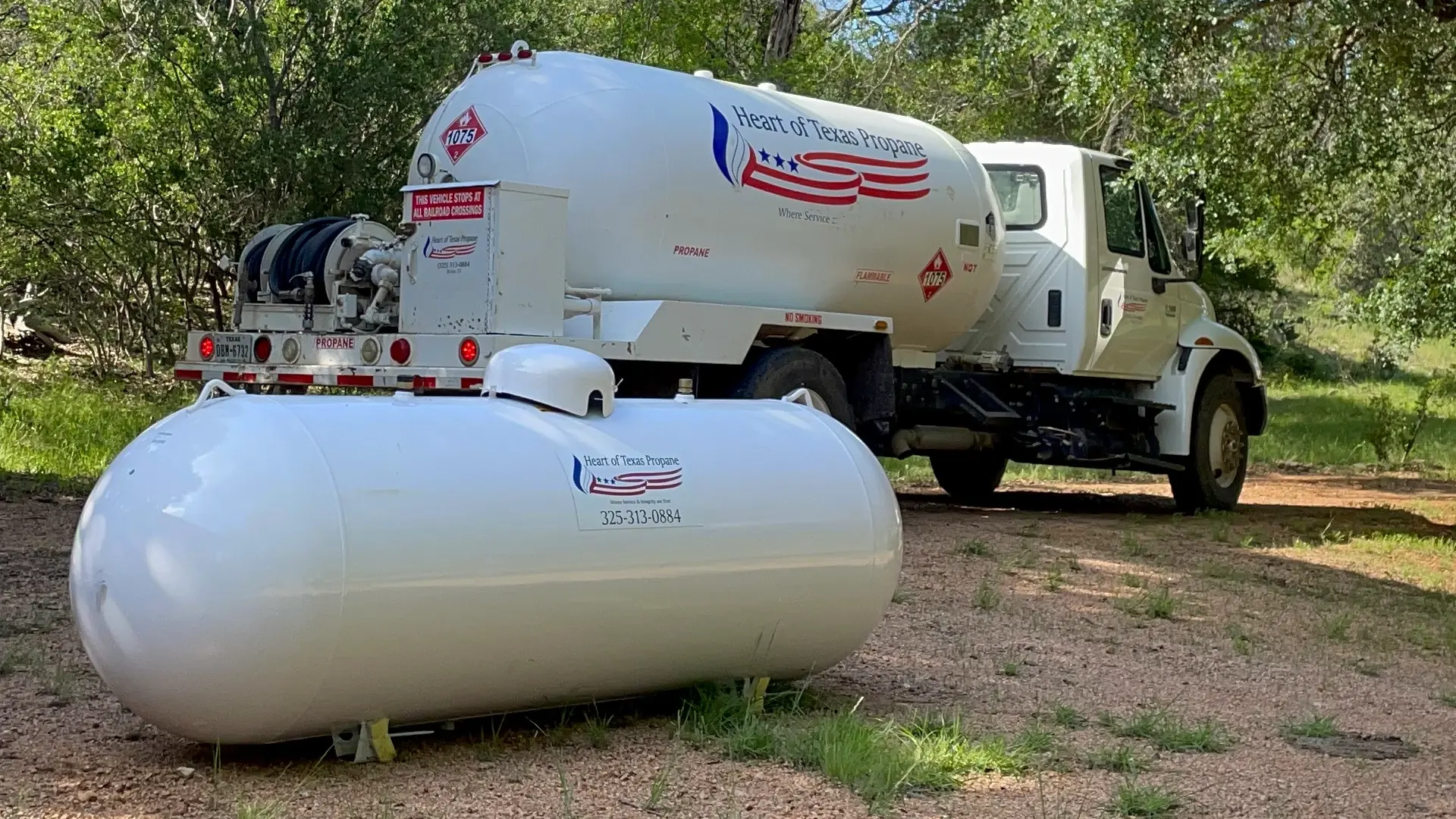
By following these tips, you can help to keep your propane tank in good condition and extend its lifespan.

Across the Texas Hill Country, school boards are looking for smarter, more cost-effective ways to run their transportation fleets. One solution is clear: propane-powered school buses. This change isn’t just about environmental benefits; it’s about financial responsibility, long-term savings, and securing reliable transportation for students. Here’s why propane makes sense for Hill Country school districts.
One of the strongest reasons for school boards to consider propane is the wealth of available financial support:
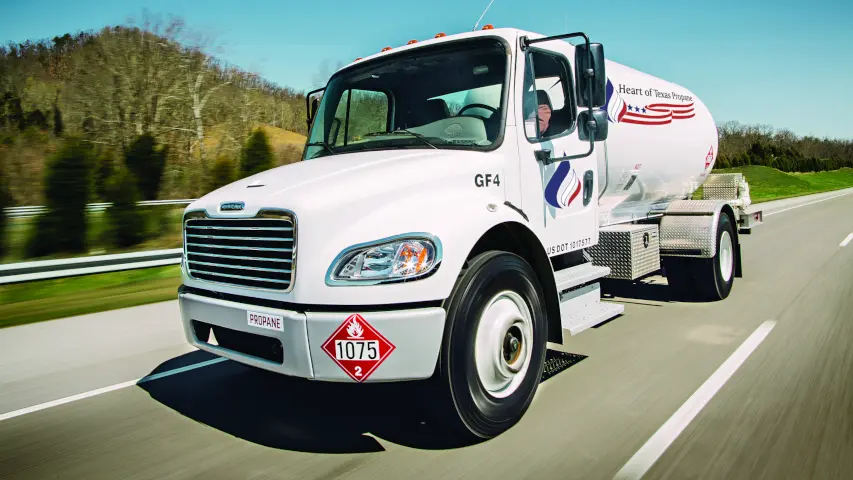
The Hill Country’s rural school districts depend on reliable transportation to cover long routes across challenging terrain. Propane buses provide the dependability schools need, while also offering cost savings that directly benefit district budgets. Cleaner emissions and quieter operation are added bonuses that improve the overall transportation experience.
Heart of Texas Propane works with districts to evaluate their transportation needs, assist with grant applications, and provide fueling solutions. For school boards, propane isn’t just a cleaner option; it’s a smarter financial decision that supports long-term planning and responsible budgeting.

If you live in the Texas Hill Country, you probably know the struggle. You’re enjoying a nice, relaxing shower when suddenly—BAM!—the water pressure drops to a sad little trickle. Maybe someone flushed a toilet, turned on the dishwasher, or your well pump just can’t keep up. Either way, it’s frustrating. But here’s the good news: a Constant Pressure System (CPS) can fix that.
A Constant Pressure System (CPS) is a must-have for anyone dealing with low or inconsistent water pressure. Instead of your well pump turning on and off in big bursts (causing those annoying pressure drops), a CPS adjusts speed automatically to maintain steady pressure—even if multiple water sources are in use.
Think of it like cruise control for your water system. Instead of stopping and starting all the time, it keeps things running smoothly, making sure you get consistent, reliable water pressure no matter what’s going on in the house.
Living in rural Texas means you’re likely using well water, and that comes with its own set of challenges. Here’s why a CPS is worth considering:

Dab Esybox Constant Pressure System
Most systems are easy to install and work with your existing well setup. If you’re tired of fighting your water pressure, it’s worth talking to a professional about whether a CPS is right for you.
Life in the Hill Country is all about independence and self-sufficiency, but that doesn’t mean you have to settle for unreliable water pressure. A Constant Pressure System keeps your well water flowing strong and steady, making everyday tasks easier and more comfortable.
Stay tuned for Part 2 of our Texas Hill Country Water Well Series, where we’ll talk about solar-powered water pumps and how they can save you money while keeping your water supply running.
Published on March 21, 2024
 Texans love spending time outdoors, but pesky insects can quickly turn a relaxing evening into a swatting frenzy. While swatters and citronella candles offer some relief, many turn to propane-powered solutions for a more effective approach. But with various options available, choosing the right one can be confusing. Let’s explore the different types of propane products commonly used for outdoor pest control:
Function: These foggers vaporize liquid insecticide using propane heat, creating a fog that reaches into hiding spots and eliminates mosquitoes, flies, and other flying insects.
Pros: They’re quick and effective, covering a large area in a short amount of time. Many models are portable and easy to use, making them ideal for backyards and patios.
Cons: Foggers may not be suitable for all pests, and the insecticide can be harmful to beneficial insects like bees and butterflies. Always follow the safety instructions carefully when using foggers.
Function: These traps lure mosquitoes and other biting insects using attractants like carbon dioxide, light, and heat. Once lured in, a fan sucks them into a container where they dehydrate and die.
Pros: Traps are a more targeted approach to mosquito control, reducing their population over time without harming other beneficial insects. They’re also environmentally friendly and propane-efficient, running for weeks on a single tank.
Cons: Traps may not be effective against all types of insects, and their effectiveness can be impacted by wind and weather conditions.
Function: While not specifically designed for pest control, tiki torches can provide some repellent properties against mosquitoes. The citronella oil used in the torches emits a scent that some insects find unappealing.
Pros: Tiki torches can add ambiance to your outdoor space while offering mild mosquito repellency. They’re also relatively inexpensive and easy to find.
Cons: The repellent effect of citronella is limited and may not be effective for everyone. Additionally, tiki torches pose a fire hazard and should be used with caution.

The best propane product for your needs will depend on the specific type of pest you’re targeting and the size of the area you want to protect.
Remember, always read and follow the manufacturer’s instructions for safe and effective use of any propane product. By understanding your options and choosing the right tool for the job, you can keep your outdoor space pest-free and enjoy the Texas evenings to the fullest.
As winter arrives in the Texas Hill Country, residents with water wells face unique challenges in protecting their water supply from the cold temperatures. Freezing temperatures can pose a threat to water wells, affecting their functionality and potentially causing damage. In this blog, we’ll explore essential tips to help you safeguard your water well during the winter months and ensure a reliable water source throughout the season.
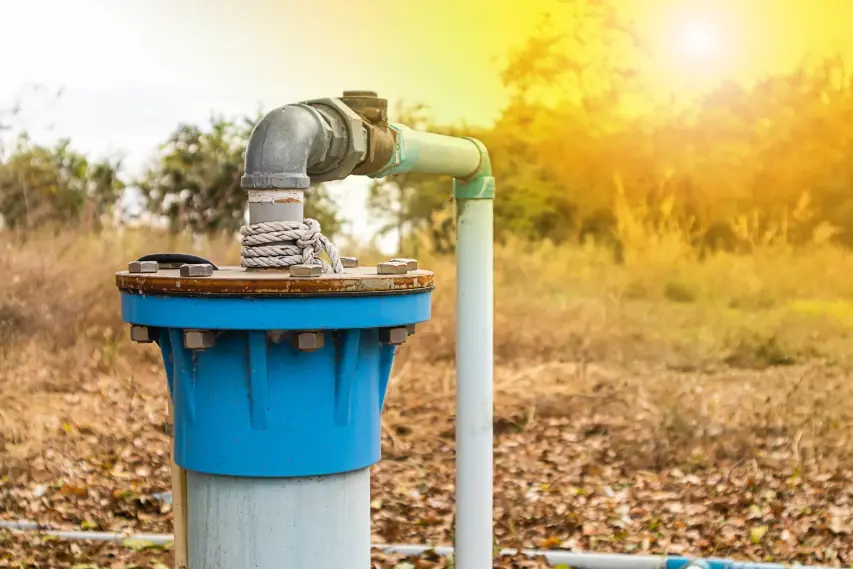 Above-ground components of your water well, such as the wellhead and pipes, are vulnerable to freezing temperatures. Insulate these components using materials like foam pipe insulation or heat tape. Wrapping the wellhead with an insulated cover can provide an extra layer of protection against the cold.
Check for any gaps or cracks in the wellhouse or casing that may allow cold air to enter. Seal these openings with weather-stripping or caulk to prevent exposure to freezing temperatures. A well-insulated wellhouse helps maintain a more stable temperature for the well components.
If your water well pump is located in an above-ground wellhouse, consider running the pump periodically to prevent it from freezing. Running water is less likely to freeze, so allowing a slow, constant flow can help protect the pump and associated pipes.
 In extreme cold conditions, especially during rare Texas Hill Country freezes, installing a wellhouse heater may be necessary. These heaters are designed to maintain a consistent temperature within the wellhouse, preventing pipes and equipment from freezing.
If feasible, consider burying exposed pipes leading to and from the well. Underground pipes are less susceptible to freezing temperatures. Ensure proper insulation around buried pipes to enhance their protection against the cold.
The pressure tank is a critical component of your water well system. Insulate it using a tank cover or insulation blanket to prevent freezing. Additionally, check the pressure settings and adjust them if needed to optimize the tank’s performance in colder temperatures.
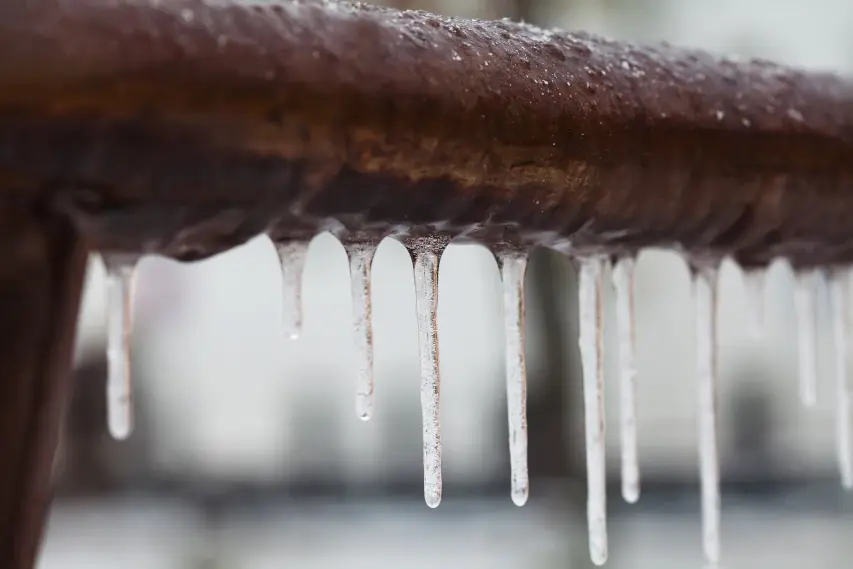
Clear any overhanging branches or vegetation around the well. This prevents snow or ice from accumulating on the well components, reducing the risk of damage. Trim back branches that could pose a threat during winter storms.
Be mindful of your water usage during freezing temperatures. Consistent water flow can help prevent freezing within the well and pipes. If you notice a decrease in water pressure or unusual sounds from the well, it may indicate freezing, and you should take immediate action.
If you have multiple wells on your property and some are not in use during the winter, consider winterizing them. Shut off the power, drain the pipes, and insulate or cover the wellhead to protect it from the cold.
Safeguarding your water well during the winter in the Texas Hill Country is essential to ensure a continuous and reliable water supply. By implementing these winter protection tips, you can minimize the risk of freezing, reduce the likelihood of damage, and enjoy a worry-free winter with access to clean, flowing water from your well. Prioritize proactive measures to preserve your well’s functionality and maintain water availability throughout the season.
 Integrity & Reliability Matter


Your comfort and well-being are our top priorities. We work every day to safeguard them.

We’re committed to giving back to those who have given our country so much.

Customers love what we do, and we’re honored by their trust in our team.
 Brady 325-244-2082
Brownwood 325-327-6668
Dripping Springs 512-829-7342
Goldthwaite 325-451-2296
Harper 830-217-8916
Kerrville/Hunt-Ingram 830-412-2565
Llano/Spicewood 325-322-4177
Pecan Creek Water 325-322-4176
Mason 325-230-0173
San Saba 325-230-0172
Lampasas 325-230-0172
Brady 325-244-2082
Brownwood 325-327-6668
Dripping Springs 512-829-7342
Goldthwaite 325-451-2296
Harper 830-217-8916
Kerrville/Hunt-Ingram 830-412-2565
Llano/Spicewood 325-322-4177
Pecan Creek Water 325-322-4176
Mason 325-230-0173
San Saba 325-230-0172
Lampasas 325-230-0172
Choose which optional categories this site may use. Necessary cookies stay enabled so core functionality can continue to work. Review our Privacy Policy and Cookie Policy for more detail.
Required for core website functionality, security, forms, login, and similar essential behavior.
Enables enhanced features such as embedded videos, maps, chat tools, and other third-party content.
Helps measure site traffic and performance.
Used for advertising, remarketing, conversion tracking, and campaign measurement.
